
Commercial glass shapes how buildings look, perform, and age in real-world conditions. For contractors, architects, and building owners, it is a strategic material decision, not a commodity. Techni-Glass LLC supports these projects with certified custom glass fabrication, trained staff, and a problem-solving mindset.
What Is Commercial Glass and Why It Matters
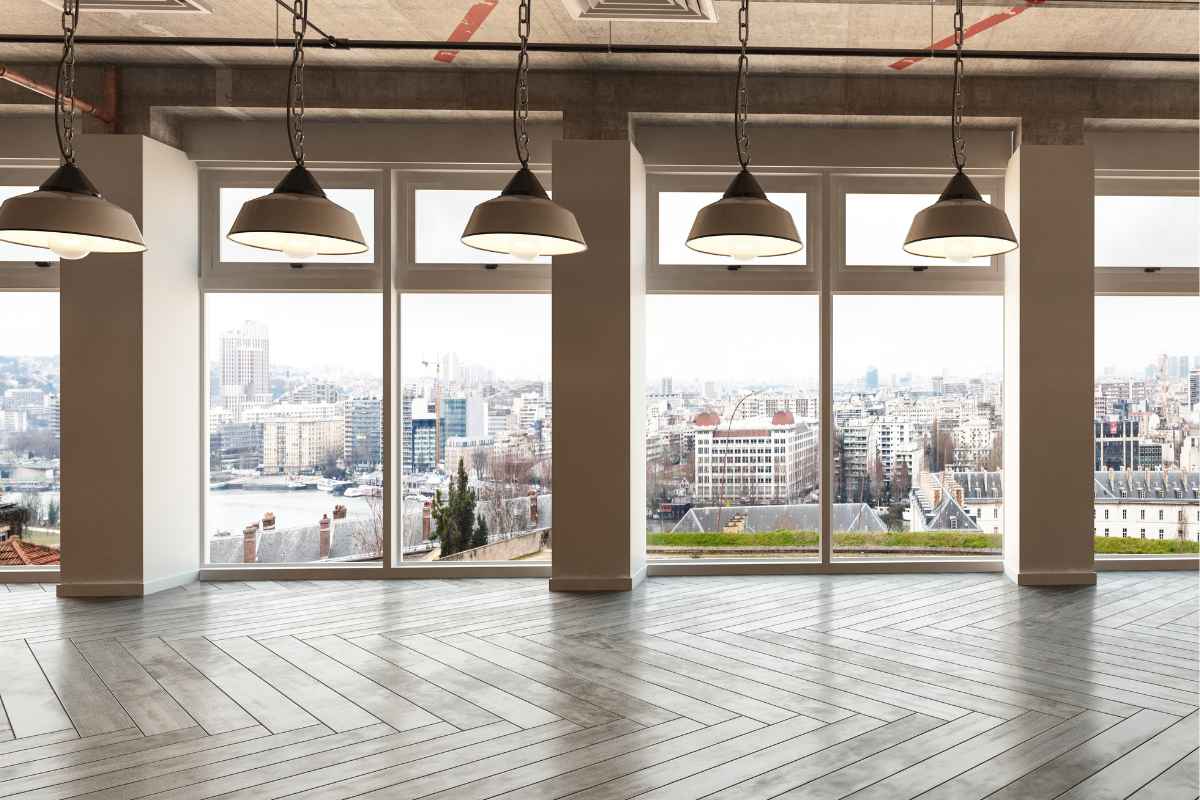
Commercial glass is glass designed for offices, retail spaces, institutions, and industrial facilities where safety and code compliance are critical. It influences daylight, comfort, privacy, and the visual identity of a building.
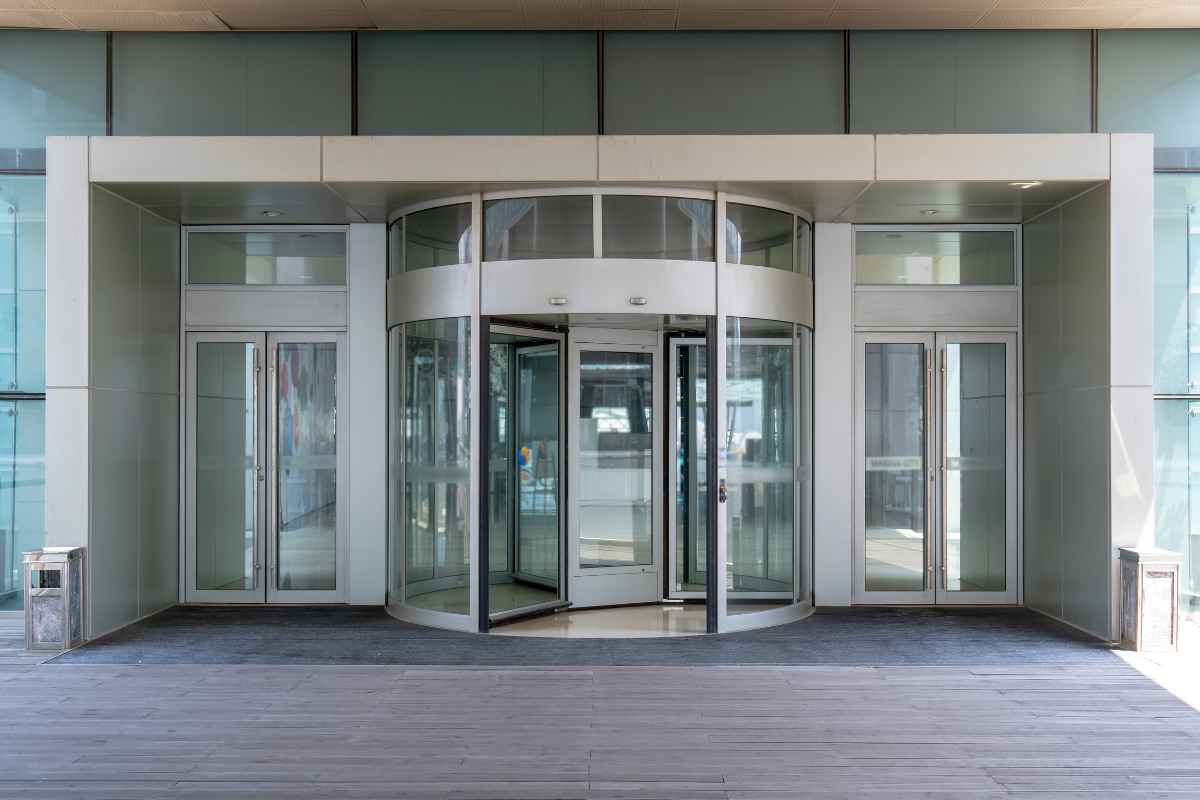
In everyday use, commercial glass affects safety, aesthetics, energy efficiency, acoustics, and durability. Tempered, laminated, and safety-rated commercial glass help protect occupants in doors, sidelites, railings, and storefronts. Insulated glass and performance coatings support energy targets and indoor comfort.
Techni-Glass LLC serves as a custom glass fabrication partner with a clear focus on quality and service. The company emphasizes practical problem-solving over hype so that glass choices stay grounded in real project needs.
What Drives Commercial Glass Choices?
Glass selection starts with the type of project and how glass will be used. A healthcare facility may prioritize privacy and cleanability, while a retail storefront might focus on visibility and impact resistance.
Codes and safety requirements drive decisions about tempered, laminated, or safety-rated commercial glass in hazardous locations. Energy codes and performance goals influence whether insulated glass, low e coatings, or specialty makeups are needed.
Conditions such as wind loads, temperature swings, and UV exposure also shape commercial glass choices. Budget and maintenance expectations help teams balance initial investment and long-term performance.
An experienced fabricator helps match these requirements to specific commercial glass constructions. Techni-Glass works with contractors and design teams to align fabrication details with specifications and schedules.
How Glass Fabrication Affects Performance
Fabrication quality directly affects how commercial glass performs over time. Accurate cutting, edging, tempering, laminating, and insulating all support reliability in service.
Certifications offer an external check that products and processes meet defined standards. Techni-Glass holds Architectural, European, DOT, and Insulating Glass certifications that support demanding commercial applications.
People and process matter as much as equipment. Techni-Glass invests in extensive employee training so staff understand process, product, and equipment in depth. That knowledge helps the team anticipate issues with glass before they reach the job site and keeps projects on track.
Recognizing High-Quality Glass Partners
Strong commercial glass partners show clear signs of quality and reliability. Documented certifications and standards compliance are essential, especially for insulating and safety-related products.
Deep training and process knowledge are important signals. When a fabricator trains employees thoroughly, the team can spot problems early and suggest practical adjustments to commercial glass designs.
Flexibility is another key factor. Techni-Glass supports large repeatable runs, complex custom orders, and small custom orders and is known for handling short lead times when projects demand it. Clear communication and collaborative problem-solving help contractors and owners manage risk and cost on glass packages.
Risks of Choosing the Wrong Glass or Fabricator
When a glass or a fabrication partner is a poor fit for the project, risks increase. Incorrect glass types or missed code details can raise safety concerns or cause inspection issues.
Fabrication errors and poor coordination can lead to remakes, delays, and extra field work. Over time, commercial glass with weak specifications or fabrication may experience seal failures, breakage, or performance problems that drive up maintenance costs. Planning early and choosing the right partner reduces these risks without relying on fear-based messaging.
The 3-Step Process to Plan a Commercial Glass Project
Step 1: Project and Performance Analysis
Start by defining where commercial glass will be used and what it must do. Confirm code and safety requirements, energy and comfort targets, and design priorities. From there, identify candidate types such as tempered, laminated, or insulated glass for each location.
Step 2: Fabrication Partner Evaluation
Evaluate commercial glass fabricators based on certifications, training depth, problem-anticipation, flexibility, and collaboration. Techni-Glass emphasizes certified products, extensive employee training, and a problem-solving culture that supports complex or time-sensitive glass work.
Step 3: Custom Implementation and Coordination
Once a partner is selected, align drawings, specifications, and timelines so orders are clear and accurate. Early coordination on special shapes, cutouts, and insulated glass units helps ensure materials arrive when needed and perform as expected.
How Techni-Glass Approaches Glass Projects
Techni-Glass positions itself as a quality- and service-focused custom glass fabricator for commercial work. Architectural, European, DOT, and Insulating Glass certifications support projects that must meet defined performance and safety standards.
Employees receive extensive training and develop strong knowledge of process, product, and equipment, which supports proactive problem-solving. Techni-Glass treats no order as too small and works to meet demanding lead times while staying efficient and cost-conscious for glass customers.
For contractors, architects, and building owners, the next step is to review upcoming projects, clarify performance and safety goals for your glass, and start a collaborative conversation with Techni-Glass LLC about the right solutions.
👉 Contact us today for a consultation or to request samples. Let us know if you have questions about Techni-Glass LLC’s Capabilities or Applications.