
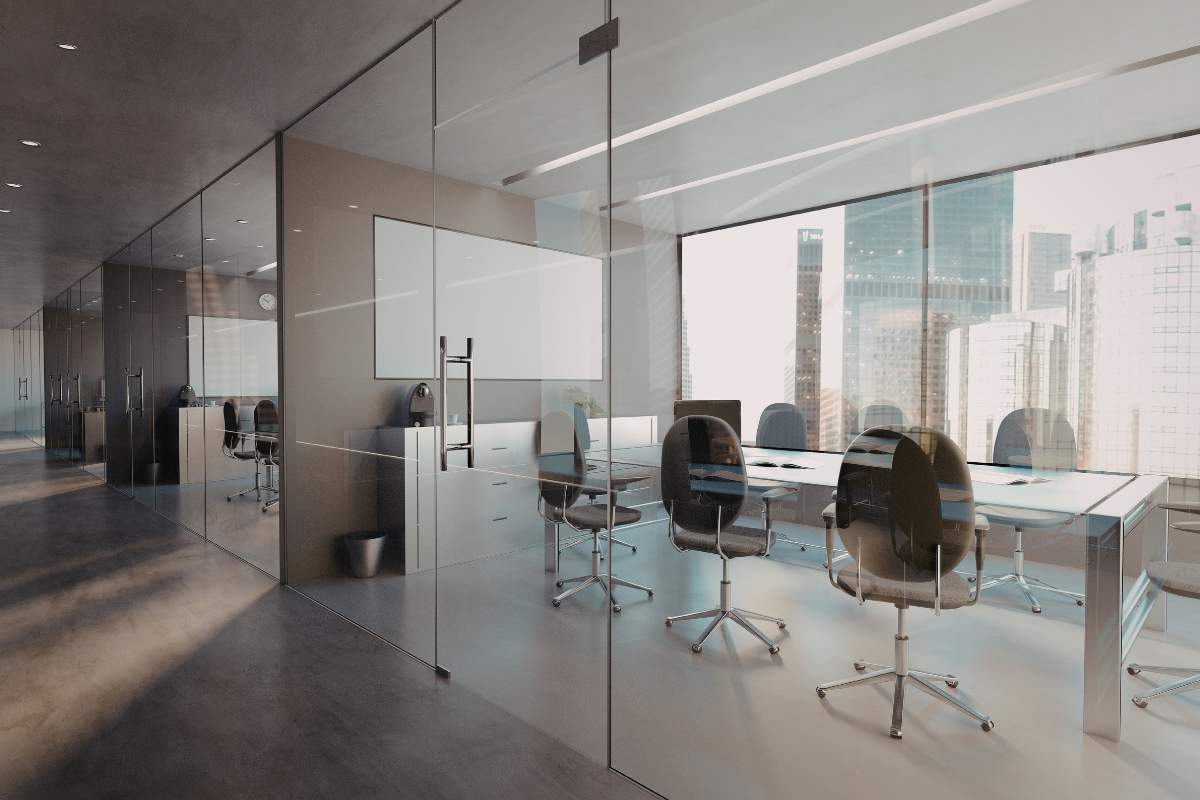
Open offices and glass walls look great, but they can be loud. When conversations and meeting noise spill into neighboring spaces, teams start looking for ways to quiet things down without giving up the light and openness that glass provides. That is where soundproof glass for offices enters the discussion. Understanding what it can and cannot do will help you set realistic expectations and choose solutions that actually improve day‑to‑day comfort.
1. Soundproof Glass Reduces Noise, Not All Sound
The first reality about soundproof glass for offices is that its job is to reduce sound transfer, not eliminate it entirely. Glass is a rigid material, so some vibration will always travel from one side to the other. The goal is to cut noise to a level where speech becomes muffled and less distracting, rather than completely silent.
In practice, soundproof glass for offices is often designed to address the frequency range of human speech. When the right glass package is chosen, conversations on the other side of a wall or door turn into a low background murmur instead of clear, understandable words. That change alone can make nearby desks, corridors, and breakout spaces feel noticeably calmer.
2. Thickness and Construction Matter Most
Not all products labeled as “soundproof” perform the same way. One of the biggest factors in soundproof glass for offices is the overall construction of the glass. Thicker glass usually blocks more sound than thinner glass, and laminated glass adds an internal interlayer that helps absorb vibration between the plies.
You may also see insulated or mixed‑thickness configurations used to disrupt how sound waves travel through the glass. Two office fronts that look very similar can behave very differently if one uses standard glass and the other uses a laminated or thicker soundproof glass for offices. When you plan a project, it helps to ask about thickness, lamination, and tested acoustic ratings instead of relying only on product names.
3. The Whole System Determines Real Performance
Even the best soundproof glass for offices will struggle if the rest of the system lets sound leak through. Gaps under doors, unsealed joints at frames, openings at ceilings, and lightweight adjoining walls can all provide easy paths for noise. Sound tends to follow the weakest route, so a small gap can undo much of the benefit of upgraded glass.
Because of this, acoustic planning has to consider the entire assembly, not just the glass panel. Frames, seals, door hardware, and how the glass connects to floors and ceilings all matter. Treating soundproof glass for offices as one part of a complete system leads to results that feel closer to what you expect once people are actually using the rooms.
4. Design Choices Shape Both Acoustics and Comfort
Soundproof glass for offices is not only about technical ratings; design decisions also affect how the space works and feels. Full‑height partitions that extend to the structure above, well‑sealed doors, and carefully chosen hardware can all support better sound control. At the same time, how glass aligns with furniture, traffic paths, and sightlines influences comfort and privacy.
You can often combine soundproof glass for offices with visual treatments such as frosted bands, partial privacy films, or printed patterns. While these additions do not automatically increase acoustic ratings, they can help people feel more comfortable having sensitive conversations by limiting direct views. The most successful spaces balance acoustic performance with visual privacy and the overall character of the office.
5. Different Rooms Need Different Levels of Soundproofing
It is easy to assume that every space requires the highest performing soundproof glass for offices, but that approach can add cost where it delivers little benefit. Each room has a different role. Executive offices, HR spaces, and key conference rooms may call for premium acoustic glass to protect confidential discussions. Huddle rooms, casual collaboration areas, and breakout spaces may only need a moderate reduction in noise to feel effective.
Thinking carefully about how each area will be used helps you apply soundproof glass for offices where it matters most. The right glass partner can help you match glass constructions to room types, explain what kind of real‑world difference you can expect, and keep performance aligned with your budget and schedule.
If you are planning a new office or upgrading an existing one and want to explore which soundproof glass options make sense for your specific rooms, contact Techni‑Glass to talk through your goals and design glass solutions that support both privacy and productivity.