
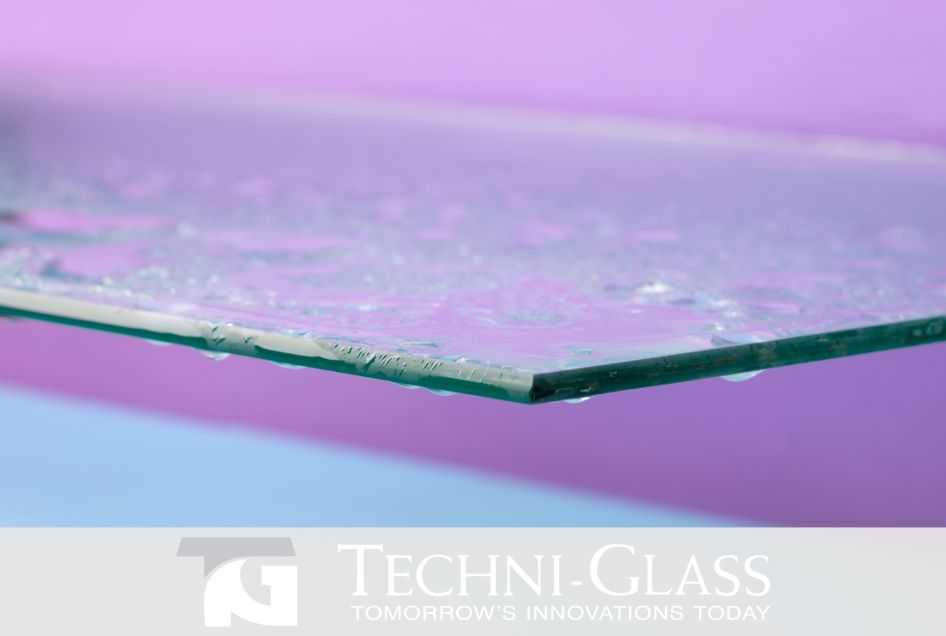
When specifying custom glass for architectural, commercial, retail, or industrial applications, most attention is often placed on glass thickness, strength, coatings, and fabrication requirements. However, one important detail that can significantly impact both appearance and functionality is the glass edge finish.
Glass edge finishes play a critical role in the final look, safety, durability, and performance of a glass product. Whether you’re designing a storefront, interior partition, display case, tabletop, or specialty fabricated component, selecting the appropriate edge finish helps ensure your project meets both aesthetic and practical requirements.
Understanding the differences between common glass edge finishes can help architects, designers, contractors, and manufacturers make informed decisions and avoid costly revisions later in the process.
Why a Glass Edge Finish Matters
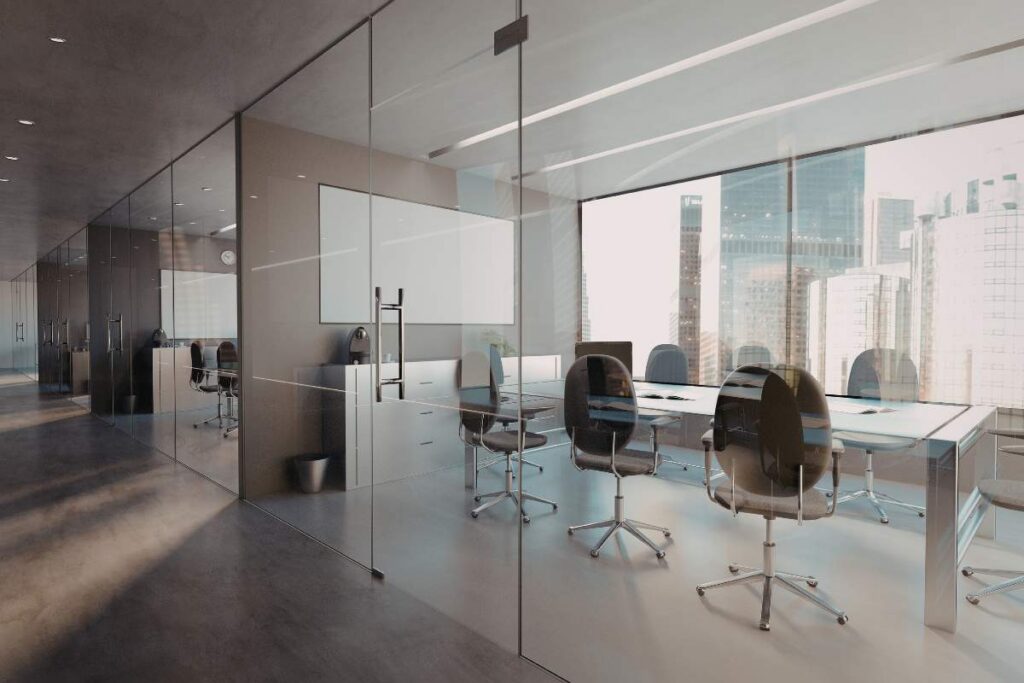
The edge of a glass panel is often one of the most visible and frequently handled parts of the finished product. Depending on the application, the edge may be completely exposed, partially concealed, or hidden within a frame system.
The right glass edge finish can provide several benefits, including:
- Improved safety by reducing sharp edges
- Enhanced appearance and visual clarity
- Increased durability and resistance to chipping
- Better compatibility with hardware and mounting systems
- Improved functionality for exposed-edge installations
When edge finishing is overlooked, glass may not achieve the desired appearance or performance, especially in applications where precision and aesthetics are essential.
Understanding Common Glass Edge Finish Options
Several types of glass edge finishes are commonly used throughout the glass fabrication industry. Each offers unique advantages depending on the project’s requirements.
Seamed Edge
A seamed edge is the most basic edge finish available. During the fabrication process, sharp edges are lightly sanded or smoothed to remove dangerous burrs and reduce handling risks.
While a seamed edge improves safety, it does not create the most polished appearance. The edge remains somewhat rough and is typically intended for applications where the glass edge will be hidden within a frame or assembly.
Common applications include:
- Framed windows
- Insulated glass units
- Interior glazing systems
- Components that will not have exposed edges
For projects where appearance is not a primary concern, a seamed edge can be a cost-effective option.
Flat Polished Edge
A flat polished edge is one of the most popular glass edge finishes for architectural and commercial applications.
The edge is ground flat and then polished to create a smooth, glossy surface. This finish provides a clean, professional appearance and is often selected when the glass edge will remain visible after installation.
Benefits include:
- Attractive finished appearance
- Smooth surface for safe handling
- Enhanced light transmission through the edge
- Reduced risk of edge chipping
Flat polished edges are commonly found on:
- Conference tables
- Glass partitions
- Retail displays
- Office interiors
- Custom architectural glass
When aesthetics are important, flat polished edges often provide the ideal balance of appearance and functionality.
Pencil Polished Edge
A pencil polished edge features a rounded profile rather than a flat one. The edge is ground into a smooth radius and polished to create a glossy finish.
The rounded shape provides a softer appearance and can improve safety in environments where people may frequently come into contact with the glass.
Pencil polished edges are often used for:
- Glass tabletops
- Shelving
- Furniture applications
- Decorative glass installations
Many designers prefer this option when they want a more refined and elegant appearance.
Beveled Edge
A beveled edge is created by cutting and polishing the edge at an angle, producing a decorative border around the perimeter of the glass.
This type of finish is often selected for high-end architectural and decorative applications because it adds depth and visual interest.
Common uses include:
- Mirrors
- Decorative wall panels
- Luxury interiors
- Specialty display applications
While beveled edges offer excellent aesthetics, they are generally chosen for appearance rather than structural performance.
Factors to Consider When Choosing Your Glass Edge Finish
Selecting the best glass edge finish depends on several project-specific considerations.
Visibility
Will the edge be exposed after installation?
If the edge will remain visible, a polished finish often provides the best appearance. For hidden edges, a seamed edge may be sufficient.
Safety Requirements
Applications involving frequent human contact typically benefit from polished or rounded edge treatments.
Examples include:
- Interior office glass
- Retail displays
- Furniture
- Public-facing installations
Smoother glass edge finishes help reduce the risk of injury while improving user experience.
Design Goals
The overall design aesthetic should influence the edge finish selection.
Modern commercial projects often favor flat polished edges for their clean lines, while decorative installations may benefit from beveled or pencil polished edges.
Budget
Different glass edge finishes require varying levels of fabrication time and processing.
Basic seamed edges generally represent the most economical option, while decorative finishes may involve additional fabrication costs.
Evaluating both performance requirements and budget constraints helps ensure the most appropriate solution.
Hardware Compatibility
Some mounting systems and hardware components require specific edge preparations.
Before fabrication begins, it is important to verify compatibility with:
- Hinges
- Clamps
- Channels
- Standoff systems
- Specialty mounting hardware
Working with an experienced glass fabricator can help identify these requirements early in the design process.
Why Precision Matters
Quality edge finishing requires precision equipment and experienced fabrication professionals. Inconsistent or poorly finished edges can affect both appearance and performance.
Modern CNC fabrication and precision finishing processes help ensure:
- Consistent edge quality
- Accurate dimensions
- Reduced breakage risk
- Better installation outcomes
- Improved product longevity
For projects requiring exact tolerances, partnering with a glass fabricator that offers advanced fabrication capabilities is essential.
Choosing the Right Fabrication Partner
The best glass edge finishes begin with quality fabrication processes. An experienced glass fabricator can help determine which edge treatment best aligns with your project’s performance requirements, design goals, and budget.
Quality edge finishing requires precision equipment, experienced technicians, and a commitment to consistency. Experienced fabricators stay current with evolving fabrication methods, quality standards, and industry best practices to help customers achieve the desired results. Poorly finished edges can affect both appearance and performance, while precision fabrication helps ensure accurate dimensions, reduced breakage risk, and better installation outcomes.
At Techni-Glass, we work with architects, designers, manufacturers, contractors, and commercial customers to deliver precision-fabricated glass solutions for a wide range of applications. From basic edge seaming to polished and specialty finishes, our team helps ensure every component meets exact specifications.
Glass edge finishes may seem like a small detail, but they can have a significant impact on the safety, appearance, durability, and functionality of the finished product. By understanding the our capabilities, available options and considering how the glass will be used, project teams can make more informed decisions that support long-term performance and project success.